Bathroom Fan Installation Cost (2025 Update)
A warm shower or bath is one of life’s simple pleasures — but the steam and humidity it creates can cause long-term problems for your bathroom. Without proper ventilation, moisture can linger on walls and ceilings, leading to dampness, mould, mildew, peeling paint, and even structural damage. A bathroom extractor fan helps prevent these issues by quickly removing humid air and improving air circulation.
Extractor fans are especially essential in bathrooms without windows, but even well-ventilated bathrooms benefit from the added protection. By improving air quality and reducing the risk of damp-related complications, an extractor fan is a small investment that prevents bigger repair costs in the future.
Supply Costs (2025)
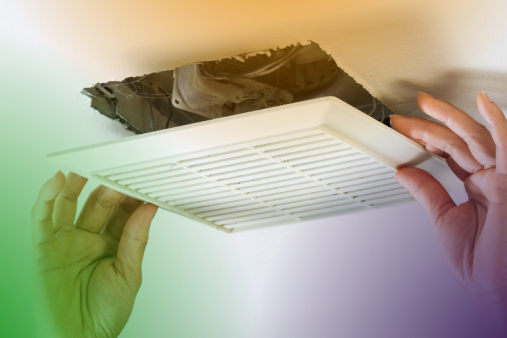
If you’re replacing an existing extractor fan yourself, the main costs to consider are the fan unit and any additional materials. Prices vary based on type, airflow performance, noise rating, brand, and special features such as humidity sensors, timers, or smart controls.
Average 2025 extractor fan prices:
|
|
|
|
|
|
|
|
|
|
|
|
|
|
|
|
|
|
|
|
|
Smart extractor fans with humidity sensors or low-noise brushless motors typically start from £120, while premium designer units can exceed £200–£250.
Professional Installation Costs (2025)
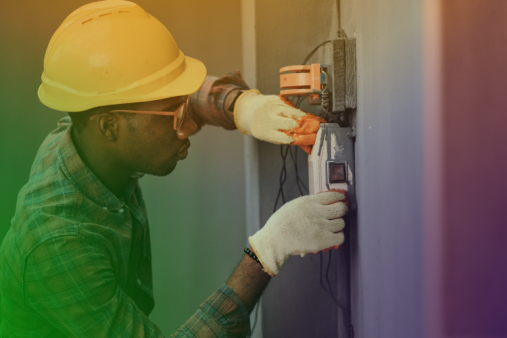
Hiring a professional is the safest option, particularly for new installations involving wiring, ducting, or cutting new wall/ceiling openings.
Electrician hourly rate (UK 2025): Approximately £60–£75 per hour depending on region.
- Replacement extractor fan installation: £150–£220 (including the fan)
- New extractor fan installation: £280–£420 (including the fan)
New installations are more expensive due to extra labour required for:
- Running new wiring
- Cutting and securing new vents
- Installing ducting to an external wall or roof
- Sealing, plastering, or making good any cosmetic damage
Additional Cost Factors
Several variables influence the overall installation price:
1. Type of Fan
High-end models (e.g., low-noise, smart, humidity-sensing) cost more than standard axial fans.
2. Accessibility
If installation requires loft access, confined roof spaces, or awkward duct routes, expect higher labour charges.
3. Fan Size & Airflow Rating
Larger or high-capacity extractor fans are typically more expensive.
4. Switch Type
Common options include:
- Pull-cord
- Wall switch
- Timer switch
- Humidity sensor (automatic)
Smart or sensor-based switches usually add to the cost.
5. Wiring Condition
Old or unsafe wiring may need upgrading, increasing total costs.
6. Cosmetic Repairs
If the installation requires cutting into walls or ceilings, you may need extra work such as plastering or painting.
Types of Bathroom Extractor Fans
There are three primary types of extractor fans, each suited to different ventilation needs.
Inline Fans
- Installed in loft spaces with ducting leading to external vents.
- Known for quiet operation and strong airflow.
- Ideal for bathrooms where ceiling access is available.
Axial Fans
- Pull air through using a parallel impeller.
- Best for bathrooms where the fan can vent directly through a wall or window.
- Most common and affordable option.
Centrifugal Fans
- Expels air at a 90-degree angle via centrifugal force.
- Suitable for long duct runs and higher pressure environments.
- Often used in larger bathrooms or properties with limited external wall access.
Who Can Install a Bathroom Extractor Fan?
For straightforward replacement installations, confident DIYers can typically manage the work if the wiring and ducting are already in place.
However, new installations should be handled by a qualified electrician because they often involve:
- New wiring connections
- Cutting openings in walls or ceilings
- Installing external vents and ducting
- Ensuring compliance with current building regulations
Even if you’ve completed the installation yourself, it’s recommended to have an electrician check it for safety — particularly as incorrect installation can cause leaks, electrical hazards, and poor ventilation performance.
If you’re unsure, it’s always safer and more cost-effective in the long run to hire a professional