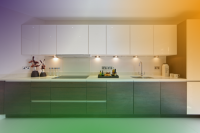
The Heart of the Home: A Modern Guide to Planning and Buying Your Dream Kitchen
The kitchen is arguably the most important room in your house. It's the central hub for cooking, socializing, and daily life. Beyond the pleasure of preparing a meal in a beautiful space, a well-planned, high-quality kitchen remains one of the biggest selling pluses when it's time to move.
So, what constitutes a truly great kitchen in today's world, and when is the right time to invest?
I. The Planning Phase: Defining Your Kitchen's Purpose
The key to a successful kitchen renovation lies in meticulous planning. It’s not just about aesthetics; it’s about functionality, workflow, and future-proofing.
1. Research and Modern Inspiration
Before consulting a designer or visiting a showroom, dedicate time to deep, modern market research.
- Styles & Trends: Go beyond simple cabinet colors. Look into trending materials (e.g., fluted glass, textured woodgrains, concrete finishes), smart appliance integration, and lighting design (layering task, accent, and ambient light).
- Virtual Tools: Use online kitchen planners and augmented reality (AR) apps offered by manufacturers to see designs in your space. Explore social platforms like Pinterest and Instagram for real-world examples and cutting-edge ideas.
- Initial Budget & Must-Haves: Note all appealing features, but start tracking rough costs early. This will help you decide where to splurge and where to save.
2. Expanded: Defining Your Kitchen's Workflow and Zones (The Golden Triangle)
Instead of just listing what you do, map out your kitchen's functional zones to optimize flow. The classic "Work Triangle" (sink, stove, refrigerator) is a good starting point, but modern kitchens require more.
|
|
|
|
|
|
|
|
|
|
|
|
|
|
|
|
|
|
|
|
|
|
|
|
Key Planning Questions:
- Do you bake? You'll need deep drawers for stand mixers and a large, heat-resistant work surface.
- Do you entertain? You might need a secondary prep sink, a dedicated drinks fridge, or an island that can comfortably seat guests.
- What is your traffic flow? If your kitchen is a thoroughfare (e.g., leading to the garden or garage), ensure the main work zones don't block the path.
- Appliance Allocation: Where will the washing machine or tumble dryer go? If they must be in the kitchen, consider fully integrated units to maintain a seamless look.
3. Expanded: Maximizing Space and Layout Features
Effective use of space is crucial, especially in smaller kitchens.
- The Island vs. The Peninsula:
- Island: Works best in large, open-plan spaces. It provides a flexible hub for prep, cooking (if the hob is there), and socializing. Ensure you have at least 1-1.2 meters of clearance on all sides for comfortable movement.
- Peninsula: A great option for medium-sized kitchens. It connects to a wall, offering the benefits of an island (extra counter space and seating) without needing as much floor space.
- Breakfast Bar: A narrow breakfast bar is an excellent space-saving solution. It can be integrated into the back of an island or placed against a wall.
- Corner Storage: Never waste a corner. Modern fittings like LeMans pull-out shelves or carousel units make deep corner cabinets fully accessible.
- Vertical Space: Tall cabinets, integrated pantry storage, and extending shelving systems maximize storage up to the ceiling, making use of typically wasted space.
4. Collaborating with a Designer: Bringing the Vision to Life
A reputable kitchen designer is invaluable. They can spot spatial opportunities and technical problems you may miss.
- Provide a Clear Brief: Don't just show pictures. Explain how you cook, who uses the kitchen, and what your budget limitations are.
- Review the Plan: Insist on seeing the final design in 3D modeling software (CAD/BIM). This ensures both you and the installation team have a precise, shared vision of the end-product, including the placement of every door, handle, and socket.
- Iterate: Be prepared to collaborate. A designer might suggest a better solution—for example, switching from hinged cabinets to deep drawers, which often provide 50% more usable storage.
II. Buying Tips: Making Informed Choices
Your core values—cabinetry, worktops, and appliances—will define the quality and longevity of your kitchen.
5. Expanded: Cabinetry: The Core Investment
Cabinets determine the kitchen’s look and functionality. Don't focus solely on the door style.
- Construction: Look for cabinets built from 18mm or thicker high-density board (MDF or particleboard). Check the back panels—they should be solid and secured, not flimsy.
- Door Finishes (Aesthetics & Durability):
- Laminates/Melamine: Highly durable, moisture-resistant, and cost-effective. Excellent for modern, flat-fronted designs.
- Painted/Lacquered: Offers a premium, smooth finish and a wide choice of custom colors. Can be prone to chipping in high-traffic areas.
- Veneer/Solid Wood: Classic, beautiful, and allows for sanding/refinishing, but requires more maintenance.
- Hardware (The Engine): Choose high-quality hinges and drawer runners from brands like Blum or Hettich. Look for soft-close mechanisms as standard—they reduce wear and tear and noise.
- Internal Storage: Invest in practical internal fittings like spice racks, pull-out wire drawers, or deep, non-slip base units for pots and pans.
6. Worktops: Durability Meets Design
Worktops must withstand heat, moisture, and impact. Deeper worktops (650mm instead of 600mm) offer a small but significant increase in prep space and are great for accommodating larger appliances.
|
|
|
|
|
|
|
|
|
|
|
|
|
|
|
|
|
|
|
|
Compatibility Check: Always match the worktop to your sink type (e.g., an under-mounted sink requires a solid surface like granite or quartz).
7. Appliances: Integrating Smart Technology
Modern appliances are more energy-efficient and smarter than ever.
- Integrated Appliances: For a sleek look, integrate your fridge/freezer and dishwasher behind cabinet doors.
- Induction Hobs: The standard choice today. They are safer, faster, and much easier to clean than ceramic or gas.
- Ventilation: A good extractor fan or recirculation hood is vital. Consider downdraft extractors built into the worktop for islands or ceiling-mounted extractors for minimalist aesthetics.
- Oven Positioning: If possible, position ovens at eye-level rather than below the counter for safety and convenience.
8. Finishing Touches: Lighting, Splashbacks, and Style
These elements elevate the kitchen from functional to fantastic.
- Layered Lighting:
- Task Lighting: LED strip lighting under wall cabinets for illuminating work surfaces.
- Ambient Lighting: Ceiling spotlights (or dimmable track lighting).
- Accent Lighting: Pendant lights over the island or plinth lighting at floor level for a modern glow.
- Splashbacks: The modern trend often skips tiles in favor of a single, seamless surface:
- Upstand: A 100-200mm high piece of worktop material running up the wall.
- Glass: Custom-colored or mirrored glass is highly hygienic and easy to clean.
- Full-Height Slab: Extending the worktop material (e.g., quartz or porcelain) all the way up to the wall cabinets for a high-end, contemporary finish.
- Storage Alternatives: Floating shelves, open-frame shelving, or bespoke wall niches can be used to store stylish essentials (like herbs, cookbooks, or a chic knife block) and break up a continuous line of cabinets.
III. The Installation Phase: Due Diligence
9. Vetting the Kitchen Provider and Fitter
The quality of the installation is as important as the quality of the materials.
- Credentials and Trust: Check if the company is registered with relevant trade bodies or consumer protection schemes. Look for recent testimonials on independent review platforms (not just their own website).
- Insurance and Guarantees: Ensure the company is properly insured, and understand the warranty provided on the cabinets, fittings, and installation labor. A reputable company will offer at least a 5-10 year guarantee on the cabinetry.
- References: Ask to speak to previous customers or, ideally, view a recently completed installation.
10. Final Walkthrough
Before signing off, ensure the final product meets the agreed-upon design:
- Check alignment: Are all door gaps consistent and straight?
- Check functionality: Do all drawers and doors open and soft-close properly? Are all appliances running?
- Check seals: Are all worktop seams and silicone seals neat and watertight?
With careful planning, attention to detail, and smart purchasing decisions, your new kitchen will not only be a joy to use but a lasting investment in your home